
What Is Liquid LSD? (Historical + Scientific Context)
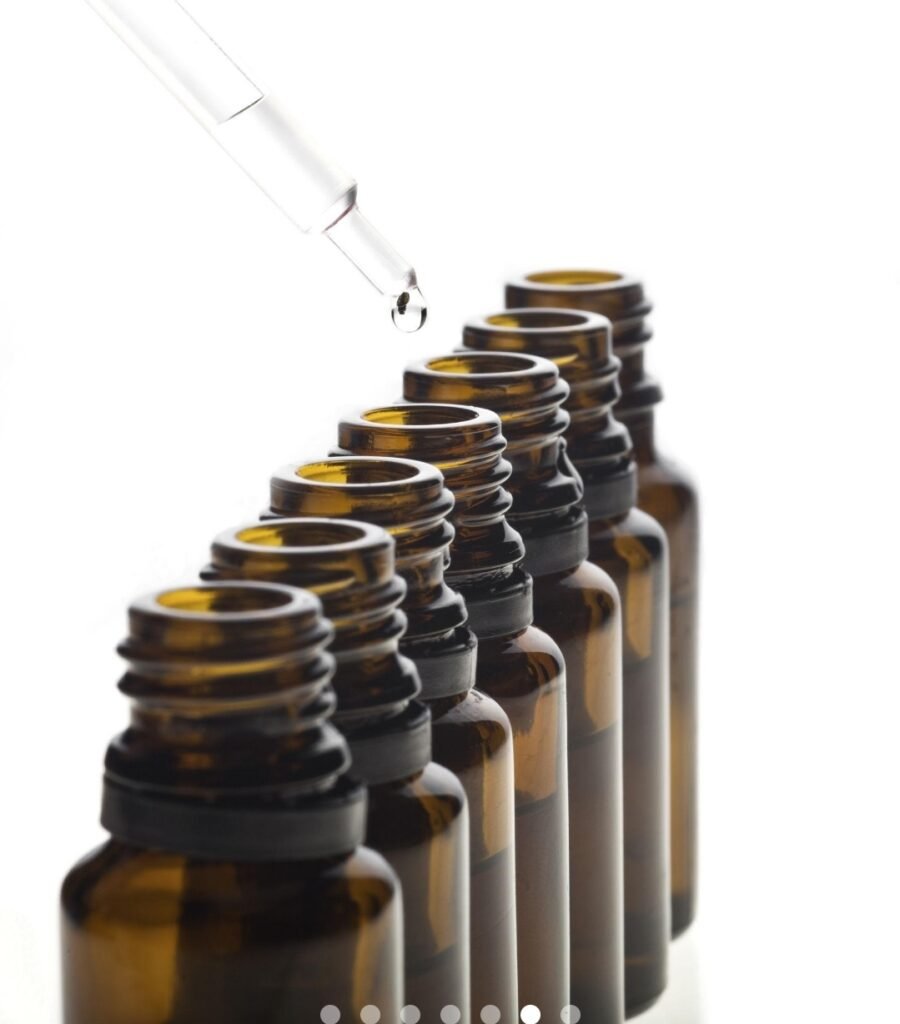
Liquid LSD for sale refers to Lysergic Acid Diethylamide (LSD-25) dissolved in a liquid medium, typically alcohol or distilled water, allowing for precise volumetric dosing.
The term “Sandoz LSD” originates from Sandoz, the original pharmaceutical manufacturer that first distributed LSD for clinical and research purposes.
Core Characteristics:
Form: Liquid solution (dropper-based)
Carrier Medium: Ethanol or distilled water
Precision: High (measured in drops or µg/ml)
Sensitivity: Highly vulnerable to light, heat, and oxygen
The Sandoz Standard: Why It Still Defines Purity
The Sandoz-era LSD established the gold standard for:
1. Pharmaceutical-Grade Purity
Original formulations were produced under strict laboratory conditions, ensuring consistency.
2. Clinical Research Application
Used in early studies involving:
Consciousness
Cognitive perception
Behavioral analysis
3. Controlled Liquid Delivery
Liquid format allowed:
Exact microgram measurement
Flexible dosing protocols
Application onto blotters
Storage Science: Protecting Liquid LSD Stability
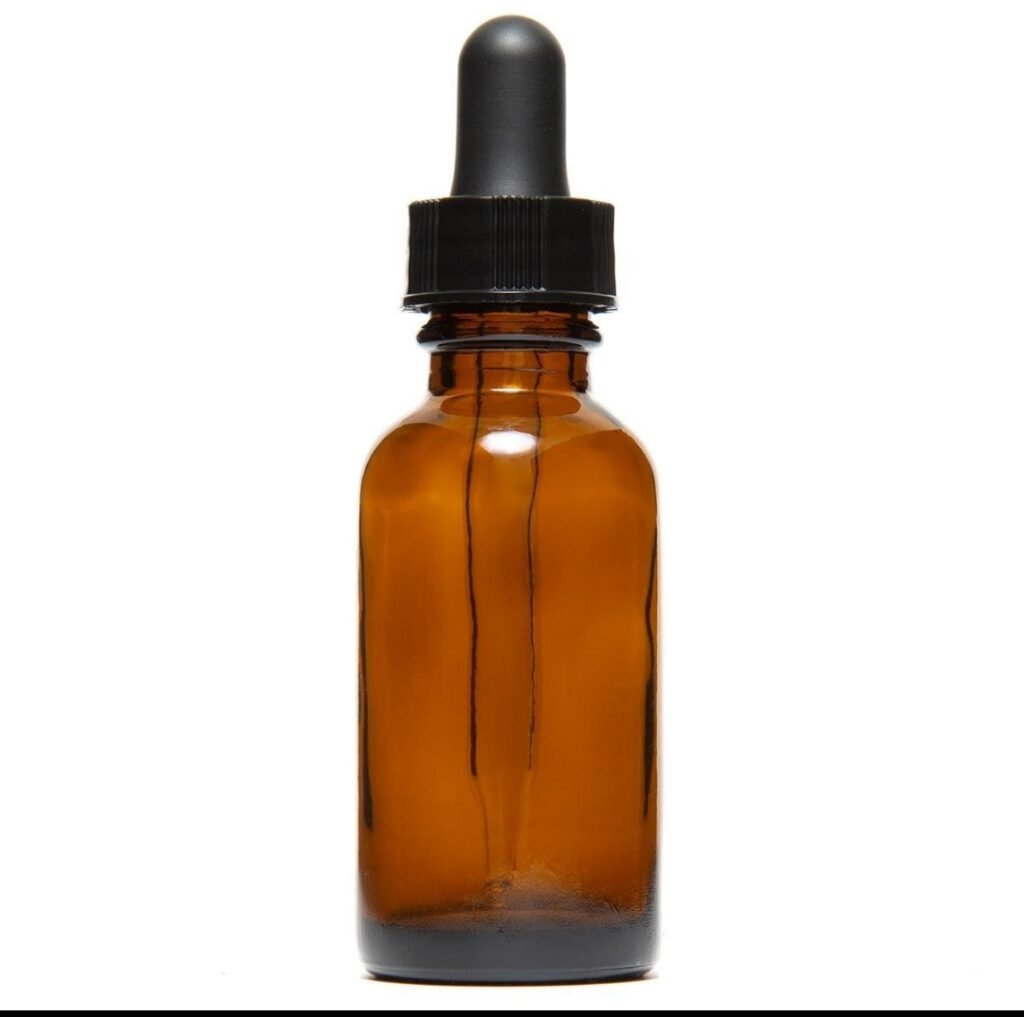
Optimal storage conditions:
Use amber glass bottles (UV protection)
Store in cool temperatures (refrigeration preferred)
Minimize oxygen exposure
Avoid frequent opening
Primary degradation factors:
UV light
Heat
Oxygen
Moisture
Dosage Framework (Liquid Measurement Model)
Liquid LSD is typically measured in micrograms per drop (µg/drop).
Example ranges:
Microdose: 5µg – 10µg
Standard: 75µg – 125µg
Note: Drop size varies depending on the dropper—calibration matters.
Verification & Authenticity (Critical in 2026)
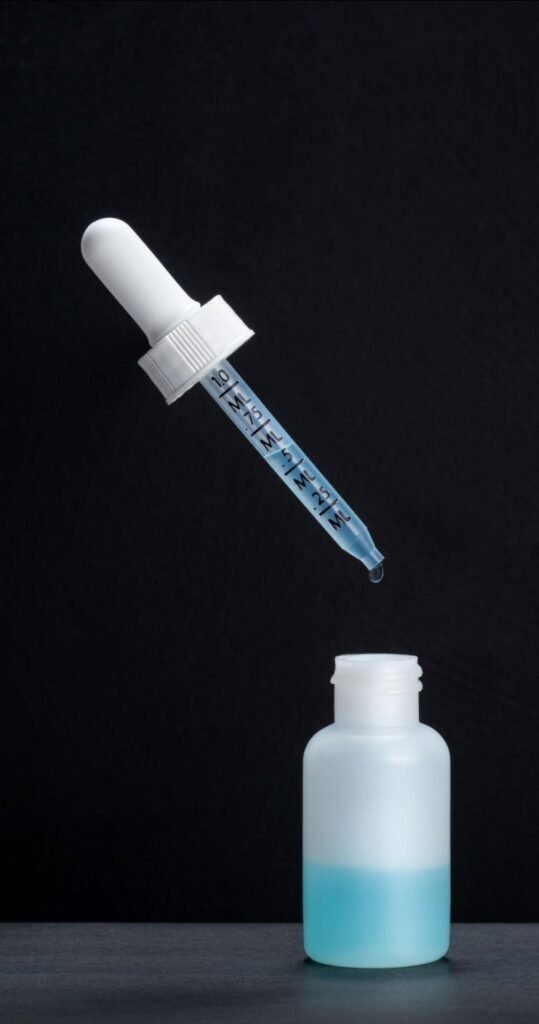
Recommended testing methods:
Ehrlich Reagent: Detects indole compounds
Hofmann Reagent: Confirms LSD vs analogs
Testing ensures:
Authenticity
Safety
Research reliability
FAQs
Is liquid LSD stronger than blotters?
No. Strength depends on concentration, not form.
Why is liquid LSD considered more precise?
Because dosing is measured volumetrically, allowing fine microgram control.
Does liquid LSD degrade faster?
Yes. It is more sensitive and degrades faster if not stored properly.